Man With A Van in Ickenham

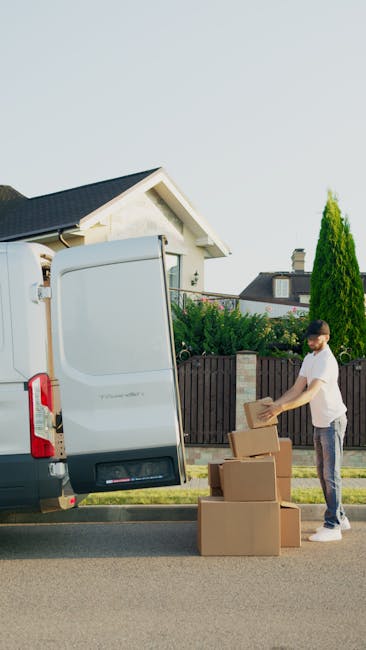
Our man with a van in Ickenham service is built around practical removals and deliveries for homes, flats and local businesses that need careful transport without unnecessary complication. We help move single items, furniture sets, boxed belongings and smaller loads that are awkward to handle alone, using a straightforward collection and delivery approach. If you need a flexible vehicle-and-loader option for a one-off task or a short move, we keep the service focused on what matters: safe handling, sensible loading and clear communication.
For customers comparing different removal options, it often helps to start with the type of load rather than the size of the vehicle. A man with a van arrangement can suit straightforward transport, partial house moves, student items, garden purchases, shop stock or business equipment where a full removals team would be more than you need. Our work is centred on moving items securely, planning the load sensibly and making sure the journey is matched to the job in hand.
To compare the wider range of removal options we offer, you can review our removal services alongside the rest of the site. If you are gathering costs for a house move, a furniture run or a mixed load, please request a quotation once you know the main items and the likely access at each end.
Flexible moving help for everyday jobs
Many customers use a man with a van service when they want a transport option that is simpler than a large scale removal booking but still more organised than hiring a vehicle alone. The work can include individual pieces of furniture, boxed belongings, appliances, eBay purchases, charity donations and mixed household goods. We focus on moving the load efficiently, protecting the items that need extra care and keeping the collection and drop-off points manageable for everyone involved.
The most useful preparation is usually a clear idea of what needs to move. A short list, a count of larger items and any access details help shape the job properly, especially if there are stairs, narrow hallways, limited parking or awkward delivery points. When the load is ready in advance, it becomes much easier to match the vehicle space and the handling needed. If you are unsure how to describe the work, send the basics and ask for a quote in plain language.
What this type of move can cover
The service can suit a wide range of smaller moving tasks, including a sofa from one address to another, a bed frame for a new room, boxes from a storage unit, or business items that need careful point-to-point transport. It is also useful where the timing matters more than a large team, or where you want one simple booking rather than a long chain of arrangements. In each case, the goal is to move what you need without overcomplicating the job.
Furniture, appliances and one-off item transport

Furniture removals are often the clearest example of where a man with a van is useful. Sofas, wardrobes, tables, desks and shelving can all be moved safely when they are handled with care and loaded in a sensible order. If items are awkward, heavy or prone to scratching, the approach needs to suit the object rather than forcing every piece through the same process. We keep the emphasis on safe lifting, stable placement and protecting the surfaces that matter.
Smaller appliance moves and single-item collection jobs can also fit neatly into this kind of service, provided the item is ready to travel and the access is manageable. For example, a washing machine, fridge-freezer or exercise machine may need careful planning because of weight, shape or fragility. We do not assume a job is simple just because it involves one item; the handling requirements still matter. If you are comparing this with a dedicated pick-up service, check the item size, access and any need for assistance at collection or delivery.
Where the move involves items from different rooms, it helps to think about the load as a sequence rather than a pile. Heavy pieces usually go first, with lighter or more delicate items secured around them. That practical order can reduce risk and make unloading easier at the other end. For larger furniture jobs, you may also find the site’s furniture pick-up page useful when planning a straightforward collection. Clear item details always make the quotation process more accurate.
Home moves and part-load removals
A man with a van can be a sensible choice for smaller home moves where the entire property does not require a full-scale removals operation. This might include a studio flat, a one-bed move, a partial household transfer or transporting selected rooms of furniture between addresses. The service is especially practical when the move is local, the list of items is limited and you want the loading space to be used efficiently rather than booked in excess.
Part-load work is often about balance: enough capacity for the job, but not so much that the booking becomes more than is necessary. That makes it useful for people moving a mix of boxes, furnishings and smaller household items, or for those who are bridging two homes and only need a portion of their belongings moved at one time. If you are comparing the difference between a broader relocation and a lighter transport job, the site’s home moves page gives another route into the same service family.
We can also support moves that sit between everyday transport and a full house removal, such as a spare room clear-out, a transfer from storage, or a few large items that do not suit car transport. Ask for a quotation when you have a realistic item list, because the kind of move, the number of pieces and the access at each end all affect the best arrangement. That keeps the service practical rather than over-specified.
Business deliveries and office transport
Commercial customers sometimes need a man with a van for light office relocations, deliveries or equipment moves that are smaller than a full commercial removals booking. This can include desks, chairs, boxed files, retail stock or support equipment that needs to be transported between premises. A neat, organised load matters here because business items often have to arrive in usable condition and in the right order for unpacking or installation.
For office-related work, it is useful to separate items that can travel together from anything that needs special attention, such as monitors, IT equipment or archived documents. Good preparation keeps the job straightforward, but the actual handling still depends on the shape, fragility and volume of the load. When you are planning this sort of move, our office removals page is a sensible place to compare the broader office moving options available through the site.
Business transport can also involve short-notice collections from suppliers or movements between sites where time and access are more important than a large removal schedule. A van-based service works well when the job is focused and the destination is clear. If the load includes multiple stops, or if you want to combine collection with delivery and unloading, mention that early so the route and handling can be considered together.
Loading, handling and protecting your items

The way items are loaded has a direct effect on how safely they travel. Heavy goods need to be positioned so they do not shift, fragile pieces should be separated from harder surfaces and awkward shapes should be arranged so that they do not catch or scrape during movement. This is one reason a man with a van can work well for smaller removals: the load can be arranged with care rather than treated as a generic pile.
Good handling also depends on knowing which objects need extra attention. Mirrors, pictures, shelves, small cabinets and boxed household goods may all need different treatment even when they are part of the same booking. It is better to identify the fragile or difficult items before moving day than to rely on guesswork at the kerb. The more clearly the load is described, the easier it is to shape the right plan for lifting and transport.
If you are preparing a request, a few practical points are especially helpful:
- the main items to be moved
- the collection and delivery addresses
- any stairs, tight turns or parking restrictions
- whether items need to be collected, delivered or both
Pricing factors and quotation details
When customers ask about cost, the most honest answer is that it depends on the shape of the job. A move involving a few boxed items, easy access and a short journey will naturally differ from a booking with heavier furniture, multiple flights of stairs or several collection points. The best quotations are based on the actual load, the handling required and any time needed for waiting, loading or unloading rather than on a broad assumption about size alone.
It is also sensible to think about the difference between transport and labour. Some jobs are straightforward collections where the main task is getting items from one place to another. Others need more involvement because large objects must be carried carefully, manoeuvred around obstacles or placed in specific rooms. If your move sits somewhere in the middle, tell us where the difficult parts are so the quote reflects the real work instead of a rough guess. That approach is especially useful for mixed household and business loads.
When a lighter service is enough
A man with a van can be the right choice when you do not need a large team or a full household removal. It can suit small purchases, room contents, surplus furniture, trade goods and local deliveries that need dependable handling. For jobs like these, the best results usually come from clear item descriptions, realistic access information and a focused plan. Clarity helps keep the quotation honest, and it also helps ensure the booking fits the task properly.
Related removal options for larger plans
Sometimes a customer starts by looking for a man with a van and then realises that a larger move needs a broader service. For that reason, it can help to compare the lighter transport option with the site’s other removal pages before choosing. A full house move, for example, may call for a different level of planning than a single-item collection, while a business relocation can need a more structured approach than a simple delivery run.
Our house removals page is useful if you are comparing a more complete domestic move, while the commercial moves page helps when the load involves office, retail or other business property. These pages sit alongside the van-based service rather than replacing it, so the choice is mainly about scale, handling and how much of the move you want covered under one booking.
Where needed, we can also support packing and unpacking as part of a moving plan, especially when the load includes items that should be organised before transport. That can be useful for customers who want a smoother handover between collection and delivery. The most appropriate service is usually the one that matches the real amount of work, not simply the biggest option available.
About Ickenham

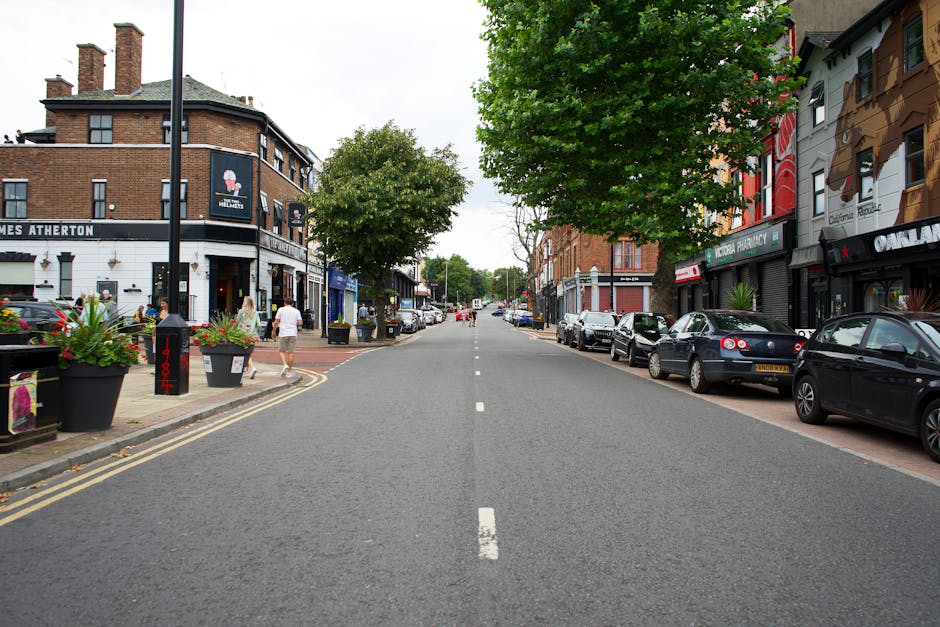
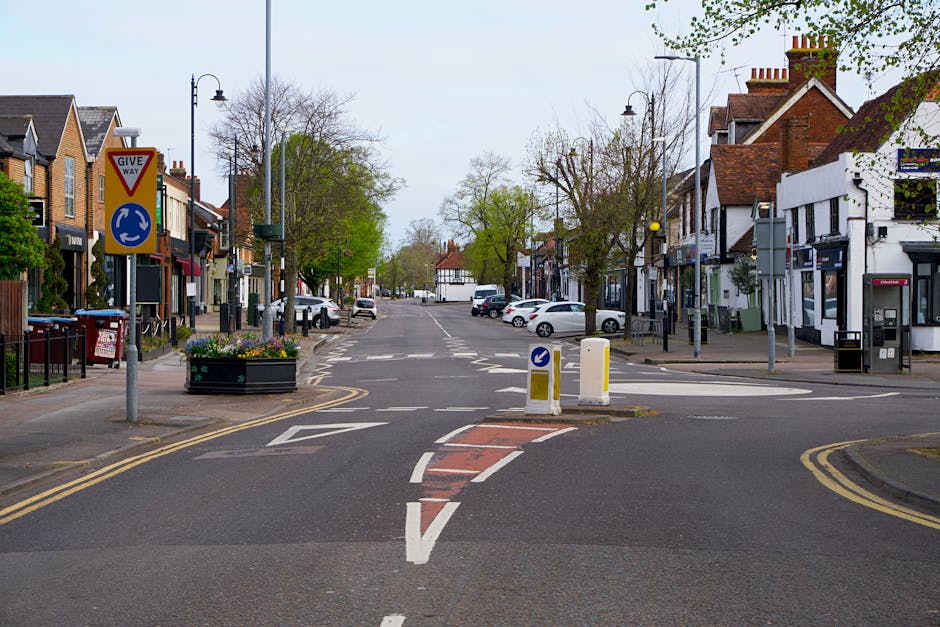
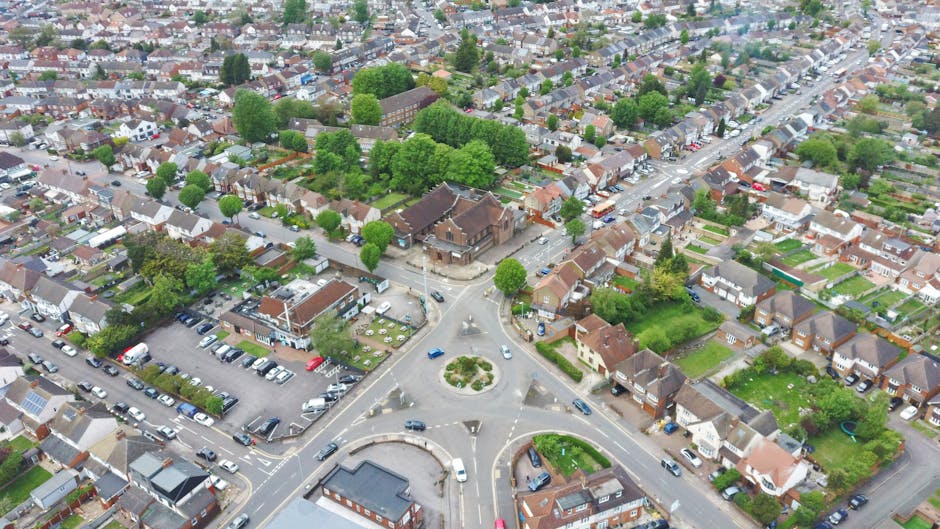
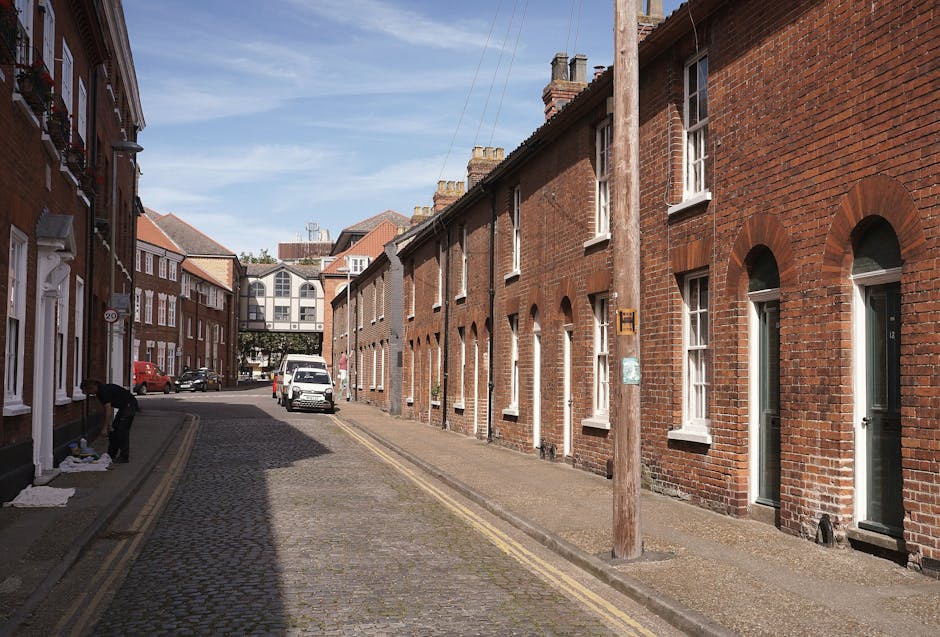
Ickenham is a suburban area in the London Borough of Hillingdon, in west London, with a history that reaches back to the Domesday Book. The settlement grew from a rural village into a commuter suburb while retaining recognisable traces of its older form, especially around the historic core near the parish church and village streets. The area sits close to the edge of the Colne Valley landscape, and parts of its setting still feel connected to open space, local waterways and established residential streets rather than dense central urban form. Ickenham station, opened in the early twentieth century, became part of the area’s shift towards everyday travel into London, while the surrounding neighbourhoods developed steadily through the same period. The local environment is marked by a mix of older buildings, post-war housing and green edges, giving the area a layered character that reflects different phases of suburban growth. One of the most familiar open spaces nearby is Swakeleys Park, and the wider district also has access to footpaths, ponds and landscaped places associated with the Colne Valley and the Grand Union Canal corridor. Historic buildings such as Swakeleys House add to the area’s architectural interest, while the village centre still suggests the scale of an older settlement rather than a modern retail core. In practical terms, Ickenham is known for being a residential place with a strong local identity, a pattern of streets shaped by transport links and suburban expansion, and a setting that combines conservation interest with ordinary day-to-day living.
Household access, room placement and local deliveries
For domestic jobs, the final stage can matter just as much as the loading. Items may need to be carried into an upstairs room, positioned in a garage, left in a hallway or delivered to a storage point rather than simply dropped at the front door. That is why it helps to say in advance what the delivery should look like at the end of the journey. The more precise the instructions, the less likely it is that something needs to be shifted twice.
Local deliveries can also involve customer purchases, marketplace collections or items bought from private sellers. These jobs often benefit from the same straightforward approach as a small removal: confirm the item size, agree the access details and decide whether the load needs any protection during transit. If the item is large enough to require careful manoeuvring, mention whether it is already dismantled or still assembled. That affects both the handling and the vehicle space required.
For customers who want to coordinate several small tasks together, the booking can sometimes combine a pick-up, a drop-off and a short wait while items are checked or handed over. That only works well when the schedule is realistic, so it is better to set out the stops clearly than to assume they can all be absorbed into one general arrangement. Contact us for a quotation once you have the main details ready.
How to prepare a useful request

A well-prepared request does not need to be long. A simple message with the item list, the start and end points, and anything awkward about the access is usually enough to begin. If the move includes furniture, note whether it is assembled or flat-packed; if it involves boxes, estimate how many; and if there are appliances, say whether they have already been disconnected. Those points help shape a quotation that reflects the real work rather than a guess based only on distance.
It can also help to mention whether the job is a direct transfer or part of a larger plan. Some customers are moving gradually and only need a few items collected at a time, while others want everything handled in one trip. Both approaches can be workable, but they lead to different transport needs. When you are ready, send the details and ask for a quotation so the service can be matched to the actual load and route.
If you are comparing options or deciding what to include, start with the main items, then add any access notes and delivery preferences. After that, check the relevant service pages if you want a clearer picture of the fuller removal options available, or simply make an enquiry and let the load description do the talking. A concise request is usually the quickest way to get a useful response.