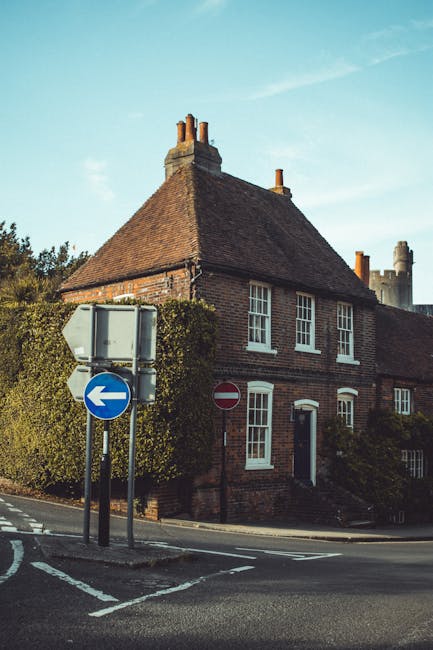
Swakeleys House removals tips for Ickenham homes
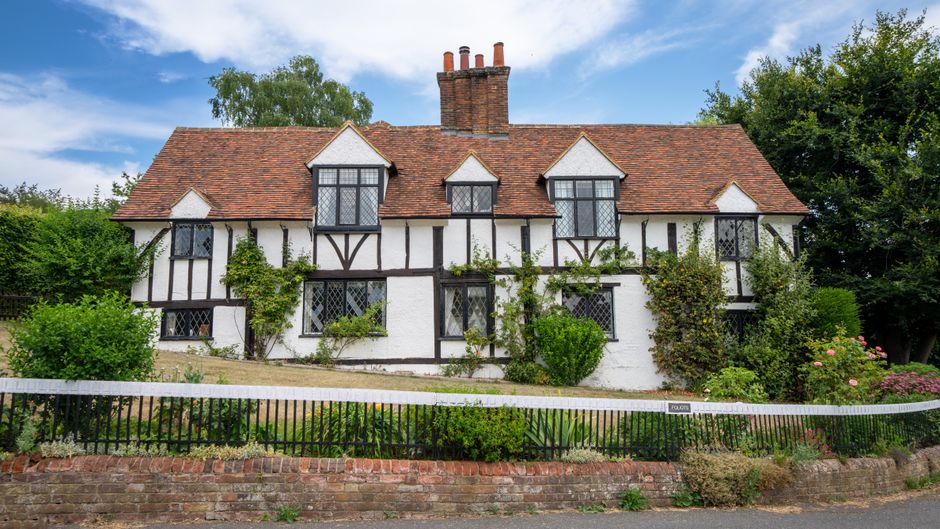
If you are planning a move near Swakeleys House, the details matter more than people expect. Narrow roads, older properties, awkward parking, family schedules, fragile furniture, and the usual pile-up of boxes can turn a simple house move into a stressful day very quickly. That is exactly why Swakeleys House removals tips for Ickenham homes are so useful: they help you plan properly, avoid the common headaches, and keep the whole thing calm enough to manage.
In this guide, you will find practical advice for moving in and around Ickenham, from access checks and packing to timings, vehicle choices, and last-minute mistakes to avoid. There is no fluff here, just the sort of grounded guidance that helps on a real moving day, when the kettle is packed and someone is asking where the charger went. Let's make it easier.
Why Swakeleys House removals tips for Ickenham homes Matters
Swakeleys House sits in an area where character homes, busy local roads, and everyday suburban logistics all meet. That sounds nice on paper. In practice, it means your move can be affected by things you might not think about until the lorry is already outside. Parking space may be tighter than expected. Hallways can be narrow. Staircases can be old, steep, or awkwardly turned. And if you are moving on a school-run morning or during a busy weekend, the road outside can feel busier than it looks at first glance.
So why does this matter? Because removals are rarely difficult because of one huge issue. They become difficult because of ten small ones stacking up at once. A sofa that won't fit through the landing. A neighbour's car blocking access. Boxes packed too late. No clear order for loading. A few minutes lost here and there quickly become hours. That is the kind of thing good preparation prevents.
In our experience, local moves around Ickenham go best when the plan is built around access, timing, and packing discipline rather than just the volume of belongings. That's true whether you are moving a studio flat, a family home, or a larger house with garden furniture, white goods, and a few too many boxes of "miscellaneous". We've all got one of those.
It also helps to think beyond the move itself. A smoother removals day often depends on whether you have the right support in place before moving day, such as home moves support, house removals, or even packing and unpacking services if time is tight. The point is not to spend more for the sake of it. The point is to reduce friction where it counts.
How Swakeleys House removals tips for Ickenham homes Works
A well-planned move is a sequence, not a scramble. You start with access, then packing, then loading, then transport, then unloading, then settling in. Simple enough. The challenge is doing each part in the right order and not leaving decisions until the last moment.
Here is the basic shape of a local removal plan for an Ickenham home:
- Survey the property access - check parking, front door clearance, stair width, and whether larger furniture can turn corners safely.
- Decide what is moving - separate what is staying, what is going, and what can be donated, recycled, or disposed of.
- Choose the right vehicle and crew size - a small flat move may suit a man with a van, while a full household may need broader movers.
- Pack methodically - room by room, with labels that actually make sense later.
- Protect fragile and bulky items - mirrors, lamps, mattresses, TVs, and glass tables need extra care.
- Load in the right order - big, heavy, stable items first; fragile items last and secured properly.
- Unpack with priorities - bedding, kettle, toiletries, chargers, and key documents should be easy to find.
This process becomes even smoother when the removals team knows the local area and can plan around likely access problems. If you want a more complete service model, it can also help to review a dedicated removal services page or compare whether house movers are a better fit than a smaller same-day van option. There is no one-size-fits-all answer, despite what some moving advice might imply.
One small but important point: the safest move is usually the move with the clearest handover. Everyone should know what they are responsible for, what goes on the van, and what stays with you. That sounds basic, but moving day has a funny way of making basic things disappear.
Key Benefits and Practical Advantages
Good removals tips do more than reduce stress. They save time, protect belongings, and make it easier to settle into your new home without that awful feeling of living among boxes for two weeks.
- Less damage risk - proper wrapping, padding, and loading reduce knocks and scrapes.
- Better time control - a clear move plan means fewer delays at the kerb, the hallway, or the new address.
- Improved safety - lifting technique, route planning, and sensible stacking matter when moving bulky items.
- Cleaner decision-making - it is easier to choose the right service when you know the size and complexity of the move.
- Less waste - sorting unwanted items before the move helps with recycling and donation decisions.
There is also a mental benefit that people underestimate. When the move is broken into manageable steps, you stop feeling like the whole week belongs to the boxes. That alone is worth something. To be fair, moving can feel a bit like controlled chaos. Good preparation turns it into ordinary work instead of a crisis.
If sustainability matters to you, this is also the moment to think carefully about what should be reused, repaired, or passed on. A move is often the perfect time to use a service such as furniture pick up for items that are no longer needed, rather than letting them become clutter in the new house.
Who This Is For and When It Makes Sense
This advice is useful for anyone moving in or near Ickenham, but especially for households around Swakeleys House where access planning can matter more than in a newer estate. It is particularly relevant if you are:
- moving from a family home with furniture, appliances, and garden items
- relocating from a flat or maisonette with stairs and shared entrances
- downsizing and need to sort, sell, donate, or recycle a lot before the move
- moving with children and want to reduce disruption
- working to a tight completion date
- booking a professional team and want to know what good preparation looks like
- comparing a self-managed move with a more supported option such as a man and van removals service
It also makes sense if you are not sure whether you need a full removals team or just a vehicle and a few hands. A shorter move from one Ickenham address to another may be fine with a removal van. A larger household, however, often needs a more structured approach. That's the honest answer.
And if you are moving a business item or home office setup, don't overlook the planning side. A laptop, monitor, and office chair are not exactly grand piano territory, but they still need a sensible sequence and good packing. It's boring advice, yes, but boring advice prevents broken screens.
Step-by-Step Guidance
Here is a practical step-by-step way to handle a move near Swakeleys House without losing the plot halfway through.
- Book and confirm the basics
Before packing anything, confirm dates, address details, access notes, and likely timings. If you are comparing prices, check the scope carefully through a dedicated pricing and quotes page so you understand what is included. - Measure the awkward things
Measure sofas, beds, wardrobes, fridge-freezers, and stair turns. The old "it should be fine" approach has caused more moving-day groans than anything else. - Declutter first
Get rid of anything broken, duplicated, or unused. The move gets faster the less stuff you carry. Funny how that works. - Pack by room
Keep kitchen items in kitchen boxes, bathroom items together, and label every box on at least two sides. One side only is a trap. Boxes do not always face the way you want. - Create a priority box
Pack essentials for the first night: chargers, toiletries, tea or coffee, basic tools, toilet paper, snacks, medication, and bedding. - Prepare fragile items properly
Use wrapping paper, blankets, bubble-style protection if available, and fill empty spaces so things do not rattle around. - Protect the property
Cover floors if needed, keep doors propped safely, and make sure paths are clear before loading starts. - Load in a sensible order
Heavy items go in first, then sturdier boxes, then fragile items. Keep a clear walk-through route if the vehicle load needs adjusting. - Check rooms before leaving
Open cupboards, loft spaces, under stairs, and garden sheds. People forget them all the time. All the time. - Unpack the essentials immediately
Set up beds, find the kettle, and get one room functional before everything else. That small win changes the whole mood of the day.
If you need help with the packing phase, a proper packing and unpacking services option can save a surprising amount of time, especially for busy families or anyone moving under pressure.
Expert Tips for Better Results
A few practical details often make a bigger difference than the headline plan.
- Label for the destination, not just the source - writing "kitchen" is fine, but "new kitchen - mugs and pans" is better.
- Keep screws and fittings together - tape them to the back of the furniture or store them in clearly labelled bags.
- Photograph cable setups before disconnecting - especially TVs, routers, and desktop computers.
- Pack a small tool kit separately - screwdriver, Allen keys, tape, scissors, and a marker pen are the usual heroes.
- Use wardrobe boxes if possible - they cut down on ironing, creasing, and general faff.
- Do not overfill boxes - a box that is impossible to lift safely is not a clever box.
- Keep valuables with you - passports, jewellery, keys, documents, and irreplaceable items should not disappear into the van.
One thing we often tell people is to think about the first 24 hours, not just the move itself. What do you need on arrival at 6pm when everyone is tired, a bit hungry, and the last thing anyone wants is a scavenger hunt for the toaster? Plan for that moment. It pays off.
It also helps to choose the right level of service. If your move is straightforward, a flexible option like man with a van may be plenty. If you are moving the full contents of a house with awkward access, a fuller house removalists service may be the calmer choice.
Common Mistakes to Avoid
Most moving problems are predictable. That is the annoying part. The good news is that predictable problems are easier to prevent.
- Leaving packing too late - even a medium-sized home takes longer than people think.
- Not checking access properly - a van is only useful if it can get close enough to the property.
- Using weak boxes - old supermarket boxes can be fine, but not for books or heavy kitchen items.
- Forgetting to measure large furniture - one tight corner can derail an entire loading plan.
- Packing by random priority - essentials should never be mixed in with seasonal decorations.
- Ignoring weather - rain, damp pavements, and slippery steps are part of UK moving life. Not glamorous, but real.
- Assuming the cheapest option is the best option - price matters, sure, but so does reliability and care.
Most moving-day stress is not caused by the van. It is caused by the three things nobody sorted three days earlier.
If you are worried about the quality of the team itself, it is sensible to look at a provider's policies and service standards before booking. Pages such as insurance and safety and health and safety policy can tell you a lot about how seriously a company treats the move.
Tools, Resources and Recommendations
You do not need a warehouse of gadgets. A few dependable tools and habits are enough.
- Strong boxes - especially for books, dishes, and mixed household items.
- Packing tape - good tape, plenty of it.
- Marker pens - thick, readable, and preferably not already drying out.
- Furniture blankets or pads - these help with scratches and chips.
- Stretch wrap - useful for drawers, doors, and grouped items.
- Zip bags - ideal for screws, fittings, chargers, and cables.
- Notebook or move list - if you prefer paper, keep one central list of tasks and numbers.
For a move in Ickenham, local knowledge matters too. A team that understands busy residential streets, parking constraints, and the rhythm of the area can often plan more efficiently. If you need a broader service overview, the removals page is useful for understanding the scope of support available, while removals near me may help if you want to compare local options.
For households trying to keep waste down, have a look at a provider's recycling and sustainability information. It is a small thing, but it can help you make better decisions about unwanted furniture and packaging. Every bit helps, really.
Law, Compliance, Standards, or Best Practice
Moving home is not usually complicated from a legal point of view, but a few practical standards and duties are worth keeping in mind.
First, parking and access around your property should be planned responsibly. If a vehicle needs to stop on a public road, the arrangement should be sensible and safe, and you may need to consider local restrictions or neighbours' access. That is common sense, but it matters.
Second, lifting and carrying should follow safe manual handling practice. In plain English: do not twist while lifting, do not carry more than you can control, and do not rush the job just to save a few minutes. A good removals team should work in a way that reduces risk to people and property.
Third, insurance is worth checking before anything gets loaded. You want to know what level of cover is in place, how claims are handled, and what happens if an item is damaged during transit. That is not being awkward. That is being sensible.
Finally, read the service terms carefully. Good removal companies should be clear about scope, timing, payment, cancellation, and responsibilities. If you want to understand how a provider handles those basics, pages such as terms and conditions and payment and security are worth a look before you book.
Best practice is not about being formal for the sake of it. It is about reducing uncertainty. That's really the whole game.
Options, Methods, or Comparison Table
Different moves need different approaches. Here is a simple comparison to help you decide what suits your Ickenham home.
| Option | Best for | Strengths | Trade-offs |
|---|---|---|---|
| DIY move | Very small moves with minimal furniture | Flexible, full control, can be low-cost | Time-heavy, more lifting, more risk of damage or delays |
| Man and van | Small to medium home moves, quick local relocations | Efficient, adaptable, good for short distances | May be limited for larger furniture or full-house volume |
| Full house removals | Whole-home relocations, families, larger inventories | More support, better coordination, less stress on the day | Usually more involved to plan |
| Packing add-on | Busy households, tight deadlines, fragile contents | Saves time, improves protection, reduces last-minute panic | Extra service to budget for |
As a rule of thumb, if you can carry everything in two or three car loads and it fits into a manageable plan, a small van-based option may work. If you are moving an entire household with beds, wardrobes, boxes, appliances, and outdoor items, you will usually want something more structured. A moving van can be a good middle ground for some jobs, but only if the inventory actually fits.
Case Study or Real-World Example
Here is a realistic example from the sort of move people often make around Ickenham.
A family moving from a semi-detached home near Swakeleys House had a standard problem list: a large sofa that needed turning on a staircase landing, two wardrobes, a chest freezer, boxes from the loft, and a collection of garden furniture that somehow multiplied in the shed. They had initially assumed a quick afternoon move would be enough. It wasn't.
Once they measured the awkward pieces, sorted the loft items early, and separated fragile kitchen items from everything else, the move became much more manageable. The team used a loading order that kept the heavier items stable, and they kept a priority box with bedding, phone chargers, and mugs at the top so the first evening felt normal instead of chaotic.
The biggest improvement came from access planning. A quick check the day before meant the vehicle could park closer to the house, and that saved repeated lifting over a long distance. Not glamorous. Very practical.
That sort of move is exactly where a professional house movers service can make a noticeable difference. It is not just about carrying boxes. It is about making the day feel organised, even when the house still looks like a paper storm by lunchtime.
Practical Checklist
Use this checklist in the week before your move. It keeps things grounded.
- Confirm the moving date, arrival window, and addresses.
- Check parking, access, and any awkward turns or stairs.
- Measure large furniture and doorways.
- Declutter and separate items to keep, donate, recycle, or dispose of.
- Gather strong boxes, tape, labels, markers, and wrapping materials.
- Pack one room at a time.
- Prepare a clearly marked essentials box for the first night.
- Take photos of cable setups and dismantled furniture parts.
- Keep documents, valuables, keys, and medication with you.
- Check the provider's service details, payment terms, and insurance information.
- Walk through every room, cupboard, and outdoor storage space before leaving.
- Set up beds and basic kitchen essentials first in the new home.
One tiny tip that sounds too obvious to mention: put the kettle somewhere memorable. People ask about the kettle before anything else. It is practically a moving-day law.
Get a free quote today and see how much you can save.
Conclusion
Moving near Swakeleys House does not need to feel overwhelming. Once you think about access, packing, vehicle choice, and the first-night essentials, the process becomes much easier to control. The real secret is simple: do the small things early, and the big things stop feeling so big.
Whether you are planning a compact local move or a full household relocation, the best Swakeleys House removals tips for Ickenham homes are the ones that make your day calmer, safer, and more predictable. And honestly, that is what most people want at the end of the day: a move that gets done properly, without drama, without waste, and without that awful sense of chaos hanging around for the next week.
Take it step by step, keep the plan human, and remember that a good move is one you can settle into, not just survive.
Frequently Asked Questions
What are the most important Swakeleys House removals tips for Ickenham homes?
The most important tips are to check access early, measure bulky furniture, pack room by room, protect fragile items, and keep essentials separate for the first night. Those five things prevent most avoidable issues.
Do I need a full removals team or just a man and van?
That depends on the size of the move. A small flat or a lighter load may suit a man and van style service, while a full household usually needs more support. If the job includes many boxes, large furniture, or tight deadlines, a fuller removals option is often the safer choice.
How early should I start packing before moving day?
Ideally, start with non-essential items one to two weeks ahead if you can. Begin with books, spare bedding, seasonal items, and decor, then leave daily-use items until the end. Leaving everything until the final 48 hours is where the panic usually begins.
What should I pack in an essentials box?
Pack chargers, toiletries, tea or coffee, snacks, toilet paper, a few plates and mugs, medication, basic tools, and bedding. Keep this box clearly labelled and easy to reach. It makes the first evening far less chaotic.
How do I protect furniture during a local move?
Use furniture blankets, wrap table legs, secure drawers, remove loose parts, and protect corners. If something is especially fragile or awkward, take extra time with padding rather than assuming it will be fine. It usually won't be.
Are there special access issues around older homes near Swakeleys House?
Older homes often have narrow hallways, tighter stairs, or less convenient parking. That is why measuring routes and planning the vehicle position matters so much. It can save a lot of effort on the day.
What if I need help with packing as well as moving?
That is where a service like packing and unpacking services can be useful. It helps if you are short on time, have fragile items, or simply want a calmer start in the new home.
How can I reduce moving costs without cutting corners?
Declutter before the move, pack in advance, be clear about the volume of items, and avoid booking a vehicle that is too small. The cheapest move is often the one that is properly planned, not the one that starts too optimistically and ends in a second trip.
Should I check insurance before booking removals?
Yes. It is sensible to understand what is covered, how items are handled, and what happens if something goes wrong. A provider's insurance and safety information should be easy to review before you commit.
What is the best way to label boxes?
Label each box with the room name and a short description of contents. For example, "kitchen - pans and bowls" is much better than just "kitchen". Label at least two sides so the words are visible even when boxes are stacked.
Can I move large furniture through narrow stairs safely?
Sometimes, yes, but only if the measurements work and the handling is sensible. If the item is too large, too heavy, or too awkward to turn safely, it may need dismantling or a different route. Forcing it is a bad idea. Really bad.
How do I know if a local removals company is trustworthy?
Look for clear service information, fair pricing, sensible terms, and transparent policies. Pages such as about us, terms and conditions, and complaints procedure can give you a better sense of how a company operates and how seriously it takes customer care.
What should I do on the morning of the move?
Do a final room check, confirm access, keep valuables with you, and make sure the essentials box is easy to find. Then take a breath. A calm start matters more than people think, especially when the day gets busy fast.