Parking restrictions near Ickenham station and removals planning
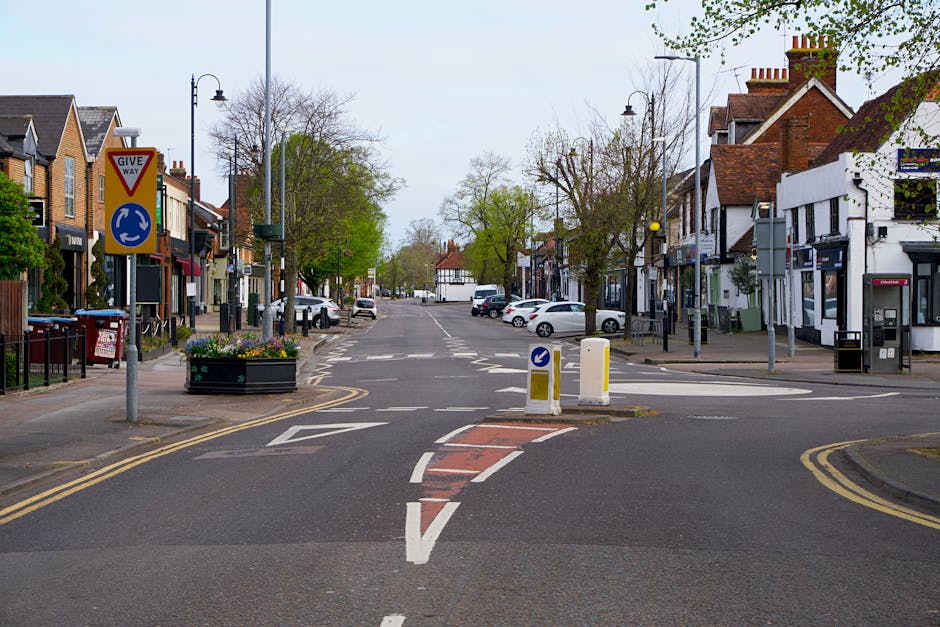
If you are planning a house move, flat move, or office relocation around Ickenham, the parking question can become the whole game. Parking restrictions near Ickenham station and removals planning go hand in hand, because a van that cannot stop close enough quickly turns a simple job into a long carry, a late start, and a lot of unnecessary stress. Truth be told, most moving-day headaches are not about the boxes. They are about access.
This guide walks through how parking near the station affects removals, how to plan around local restrictions, what to check before moving day, and how to reduce the chance of delays. Whether you are moving out of a first-floor flat, shifting office equipment, or booking a man and van service, the same principle applies: the better the access plan, the easier the move.
It is not glamorous, but it is practical. And on a busy road with commuters, school runs, and the usual London stop-start rhythm, practical wins every time.
Why Parking restrictions near Ickenham station and removals planning Matters
Station areas are rarely built for large vehicles to linger. Around Ickenham station, you are typically dealing with a mix of commuter traffic, tighter residential streets, yellow lines, time-limited bays, and places where a larger vehicle will feel like it is in everyone's way, even if it is only there for ten minutes. That matters because removals depend on short, efficient loading windows.
If the van has to park too far away, your team spends more time carrying sofas, wardrobes, and awkward boxes. That adds labour, increases the chance of knocks and scrapes, and can even force extra trips. You may also discover, at the worst possible moment, that the nearest legal space is taken. Then what? Well, you improvise, and improvising on moving day is rarely a good look.
For customers, parking restrictions near the station matter for three big reasons:
- Time - loading takes longer when the vehicle cannot stop close to the property.
- Safety - longer carries mean more lifting, more stairwork, and more risk of damage.
- Cost control - extra time on site can push the move beyond the original plan.
That is why access planning should be treated as part of the move itself, not a minor detail. It is just as important as boxes, tape, or the route to your new place. In practice, the best moves are usually the boringly organised ones.
How Parking restrictions near Ickenham station and removals planning Works
Good removals planning starts with a simple question: where can the vehicle legally stop, load, and leave without disrupting traffic or breaking parking rules? Around a station, that usually means checking the mix of bays, permit areas, loading zones, double yellow restrictions, and any temporary rules that may apply on a given day.
The exact arrangements can vary by street and by time of day, so it is wise to treat the area as dynamic rather than fixed. A space that looks fine on a Sunday morning can be unavailable on a weekday afternoon. Add in rail users arriving and leaving, and you have a far less forgiving parking picture than in a quiet suburban cul-de-sac.
In removals work, the parking plan usually includes:
- Checking the property frontage - can the van stop close enough to load safely?
- Identifying the nearest lawful stopping point - even if it is not right outside.
- Estimating carry distance - steps, corners, and narrow pavements all matter.
- Deciding if timing needs adjusting - early morning often works better than mid-afternoon.
- Matching the vehicle to the road - a smaller removal van may be easier to position than a larger truck in tight streets.
There is a difference between a move that is technically possible and one that is sensible. A property might be reachable, sure, but not efficiently. The real job is to make the whole thing smooth enough that everyone stays calm, the neighbours are not irritated, and nothing ends up dragged across a pavement because the van had to park two doors away.
Key Benefits and Practical Advantages
When parking is planned properly, the benefits show up immediately on moving day. You notice it in the pace of the job, in the lack of scrambling, and in the fact that people are not standing around asking where the van ended up. Small thing? Not really.
- Faster loading and unloading - shorter walking distances mean quicker work.
- Lower risk of damage - fewer handovers, fewer awkward turns, fewer chances to bump walls or doors.
- Better safety for everyone - movers can lift and carry without rushing as much.
- Less disruption to neighbours - a tidy setup is usually better received.
- More accurate scheduling - timed jobs are easier to keep on track.
There is also a commercial advantage. If you are comparing removal companies, the ones that ask about parking, access, stairs, lift use, and vehicle size are usually the ones thinking one step ahead. That is a good sign. It tells you they are planning the move, not just turning up with a van and hoping for the best. Hope is not a system.
For households, this can mean a less stressful start to a new home. For businesses, especially if you are using commercial moves or office removals, good access planning can prevent downtime and keep staff from losing half a day to logistics.
Who This Is For and When It Makes Sense
This kind of planning is useful for almost anyone moving in or around the station area, but it becomes especially important if you have limited access, a tight schedule, or bulky furniture. Some moves are forgiving. Others absolutely are not.
You will benefit most from parking and access planning if you are:
- moving from a flat with no private driveway
- in a busy street close to the station or local shops
- moving at a peak traffic time
- handling awkward items like wardrobes, white goods, or pianos
- booking a same-day or short-notice move
- organising student removals where time and parking are often both tight
If you are moving from a small flat, flat removals often need more access coordination than people expect. Stairs, narrow hallways, and road restrictions can quickly make a straightforward job more involved. The same goes for student removals, where the schedule may be compressed and the load-out window feels shorter than it actually is.
And if you are moving office equipment, paperwork, or stock, the timing can be even more sensitive. In those cases, a careful plan is not a luxury. It is part of keeping the business moving.
Step-by-Step Guidance
Here is a sensible way to handle removals planning near Ickenham station without overcomplicating it.
1. Walk the route, if possible
If you can visit the property beforehand, look at the actual street layout. Is there space to pull in? Is there a bend, island, or gate that will make reversing awkward? The road can look simple on a map and still be a nuisance in real life.
2. Check parking signs carefully
Read the signs on the street, not just the markings on the kerb. Look for restrictions that may apply at certain times, permit-only rules, loading allowances, or bay limits. If the wording is unclear, note it down and double-check rather than guessing.
3. Measure the practical carry distance
This is the bit people skip, and then regret. Count the distance from the likely parking spot to the front door, then think about the heaviest or most awkward item. Three trips with a lamp are fine. Three trips with a king-size mattress in drizzle? Less fine.
4. Match the vehicle to the job
A compact vehicle can be easier near tight station streets, while a larger truck may suit a bigger house move or commercial job if access is straightforward. If you need broader options, take a look at man with van or moving truck services depending on volume and access.
5. Build time into the schedule
Do not plan the move to the minute. A ten-minute parking search can become twenty. A quiet lift can become busy. A front door that was expected to be open can take longer. A bit of slack in the timetable is what saves the day.
6. Brief everyone involved
Make sure the movers, the customer, and any building manager or neighbour contact know the plan. If the van must park in a particular bay, say so early. If there is a loading window, mention it. Clarity avoids that awkward moment where everyone assumes someone else has sorted it.
7. Have a backup plan
Sometimes the nearest legal space is taken. That is life. Decide in advance what the fallback looks like: another bay, a second approach route, or a slightly earlier arrival. That single bit of planning can save the move from turning messy.
Expert Tips for Better Results
Over time, a few patterns become obvious. Good removals planning is less about dramatic problem-solving and more about stacking small advantages.
Book the move earlier in the day if you can. Around station areas, early windows often mean fewer competing vehicles and less general traffic. It just makes sense.
Keep the loading area clear. If you are still dismantling furniture while the van is waiting, everything slows down. Pack and label properly in advance, and consider packing and boxes or packing and unpacking services if you are already stretched.
Use the smallest vehicle that can realistically do the job. Not always, but often, a more manoeuvrable van is the easier answer near restricted parking. Bigger is not automatically better. A huge vehicle in a tight street can be a bit of a drama, to be fair.
Think about the weather. Rain makes longer carries slower and riskier. In wet weather, what looked like a manageable 15-metre walk can feel twice as long.
Protect high-value or fragile items separately. If the van has to park away from the front door, items may be carried further and handled more often. Make sure they are wrapped and labelled correctly. This is where furniture removals planning becomes more than just "get it out the door".
Check whether storage helps. If parking or access issues are making the same-day move too tight, temporary storage can reduce pressure. Sometimes splitting the move is the calmer choice. Nobody gets extra points for doing it all in one breath.
Common Mistakes to Avoid
Most moving problems near station areas are predictable. That is the annoying part. They are also avoidable, which is the useful part.
- Assuming there will be space outside the property - there often is not.
- Ignoring time-based restrictions - a bay might be fine in the morning and unavailable later.
- Not checking for permit or loading rules - the sign may matter more than the marking.
- Booking a vehicle too large for the road - especially in narrow residential streets.
- Forgetting about stairs, lifts, and door widths - access is not only about parking.
- Leaving parking arrangements until the day itself - by then, you are already reacting.
- Underestimating neighbour or pedestrian traffic - station areas tend to stay active.
Another common one: not telling the removal team about the access challenge because you think it will be obvious. It usually is not obvious. What seems clear to the homeowner can be completely different from what the driver sees when arriving for the first time.
If you are moving a piano or another specialist item, that gap matters even more. Services like piano removals need extra care, and the route from van to property should be thought through before anyone starts lifting.
Tools, Resources and Recommendations
You do not need a complicated toolkit to plan well, but a few simple things help.
- Street view and a site walk - useful for understanding bends, entrances, and loading space.
- Photos from the property owner - very handy if you cannot attend in person.
- A written move plan - even a basic note with timings, address, access details, and contact names is better than nothing.
- Furniture labels - colour codes or room names speed up unloading.
- Specialist packing supplies - especially if you are moving breakables or heavy household items.
If you want to keep the move efficient, it also helps to use a team that can support the full process, from collection to delivery. Depending on the size of the job, that could mean a removal services booking, or a smaller van-based job with simple handling and loading support.
For larger household jobs, house removals or home moves are often the better fit. And if the move involves stopping between addresses, temporary storage can take a lot of pressure out of the day.
Law, Compliance, Standards, or Best Practice
Parking near a station is not just about convenience. It also involves compliance with local parking controls, road safety, and general consideration for other road users. You do not need to become a parking-law expert, but you do need to respect the signs and avoid making assumptions.
In UK removals work, best practice usually means:
- parking only where the vehicle is permitted to stop
- keeping access routes clear for pedestrians
- avoiding obstruction of driveways, dropped kerbs, or junctions
- following any local loading guidance carefully
- using appropriate manual handling methods for heavy items
There is also a duty of care angle. A professional removals team should think about safe lifting, sensible vehicle positioning, and the risk of damage to property. That is why pages like health and safety policy and insurance and safety matter. They are not just formalities; they show that the operation is structured around real-world risk.
If you are arranging a business move, planning should also respect building access rules, landlord requirements, and any internal facilities guidance. For office-based moves, the combination of parking, lifts, and loading times can be just as important as the road outside. A sensible operator will factor that in before the first box is lifted.
Options, Methods, or Comparison Table
Different moves call for different access approaches. Here is a simple comparison to help you think it through.
| Approach | Best for | Pros | Watch-outs |
|---|---|---|---|
| Park directly outside | Quiet streets or properties with generous access | Fastest loading, shortest carry | Often unavailable near station areas |
| Use the nearest lawful bay | Most standard residential moves | Balanced access and compliance | Carry distance may still be significant |
| Smaller van and tighter positioning | Narrow roads, flats, limited turning space | More manoeuvrable, often easier to place | May require more trips if load is large |
| Split load or use storage | Large, time-sensitive, or access-heavy moves | Reduces pressure on the day | Requires extra coordination |
In practice, the right option depends on three things: the volume of items, the street layout, and the actual parking restrictions in place. There is no magic formula, but there is a sensible one: choose the plan that keeps the move legal, efficient, and boringly safe.
Case Study or Real-World Example
Imagine a couple moving out of a second-floor flat near Ickenham station on a weekday morning. They have a sofa, a bed frame, several boxes, and a couple of awkwardly sized lamps. The first instinct might be to aim for the closest possible parking spot and hope a space is free.
Instead, the move is planned in advance. The customer checks the street restrictions, shares photos of the frontage, and confirms the best loading point. The van arrives early, parks legally in the nearest practical spot, and the team starts with the largest items while the building entrance is still quiet. No frantic circling. No last-minute shouting across the street. No one pretending they are absolutely fine while carrying a mattress in drizzle.
The result is simple: fewer trips, less strain, and a calmer finish. The move still took effort, of course. Moves always do. But the effort was spent on the actual work, not on solving preventable parking problems.
That same pattern applies to a small office move as well. If you are relocating desks, monitors, archive boxes, or stock, better parking planning usually means less downtime and fewer interruptions. That is where a well-organised office relocation services approach can really help.
Practical Checklist
Use this before move day. It keeps the whole thing much calmer.
- Confirm the exact moving address and access points
- Check parking signs and any loading restrictions near the station
- Identify the most practical legal stopping place
- Measure the carry distance from van to door
- Tell the removals team about stairs, lifts, narrow halls, or awkward turns
- Decide whether a smaller vehicle is more suitable
- Pack and label boxes before the team arrives
- Separate fragile, high-value, and specialist items
- Leave a little time buffer in case traffic or parking is slower than expected
- Have a backup parking plan, just in case
Expert summary: if the parking plan is sorted, most of the day becomes easier. If it is not, everything else has to work harder to compensate. That is the quiet truth of removals planning near busy station areas.
If you are comparing providers or want a clearer picture of what is included, review the available pricing and quotes information and choose a service that matches the level of access challenge, not just the item count.
Get a free quote today and see how much you can save.
Conclusion
Parking restrictions near Ickenham station and removals planning are really about one thing: making the move realistic before the first box leaves the room. When you understand the local access picture, choose the right vehicle, and build in a little flexibility, the whole experience becomes far less stressful.
It does not have to be perfect. It just has to be thought through. That is usually enough to turn a potentially messy move into a tidy, manageable one. And if you have ever stood by the front door holding a box while a van circles the block, you already know why this matters.
For a smooth move, choose planning over guesswork, and let the logistics feel a bit more human. That is often the difference between a difficult day and a decent one.
Frequently Asked Questions
What should I check first for parking restrictions near Ickenham station?
Start with the street signs, bay markings, and whether the road is permit-controlled or has loading limits. Then check the property frontage and decide where a van can legally stop without blocking traffic.
Can a removals van park outside my house near the station?
Sometimes, but not always. Station areas are often busier and more restricted than people expect, so it is better to assume you may need the nearest lawful alternative rather than the exact spot outside the door.
Why does parking matter so much for removals planning?
Because parking affects loading time, carry distance, safety, and the risk of delays. The closer and more practical the stopping point, the easier the move usually becomes.
Is a smaller vehicle better for tight streets near Ickenham station?
Often yes. A smaller van can be easier to position in narrow roads or limited spaces. That said, the right vehicle depends on the amount you are moving and how much access you actually have.
What happens if the nearest parking space is taken on moving day?
You need a backup plan. That might mean using another lawful bay, adjusting the arrival time, or choosing a different loading point. Good planning always includes a fallback.
Do I need to tell the removals team about parking rules in advance?
Yes, definitely. Share anything you know about permits, time restrictions, narrow access, or building rules. The more they know beforehand, the smoother the day will be.
How far is too far for the van to park from the property?
There is no single number. It depends on the furniture, stairs, weather, and how many trips are involved. A short carry can become a big issue if you are moving heavy or fragile items.
Should I book storage if parking is difficult near the station?
Storage can help if access is tight, the property is awkward, or the move needs to be split into stages. It is worth considering when speed and convenience matter more than doing everything in one go.
What is the best time of day to move near a station area?
Earlier is often better because traffic and parking pressure are usually lower. Mid-morning to early afternoon can become busier, especially on weekdays, so avoid the rush if you can.
Are flat moves more affected by parking restrictions than house moves?
Very often, yes. Flats tend to involve longer carries, stairs, shared entrances, and less private parking. That means access planning can make a bigger difference than it would for a house with a driveway.
How do I avoid delays on moving day?
Check parking in advance, keep the loading route clear, pack early, and make sure the removals team knows the access details. A little preparation goes a long way. Honestly, it saves a lot of faff.
Can I use removals help for office or commercial moves near Ickenham?
Yes. Commercial and office relocations benefit a lot from access planning because there is often more equipment, less spare time, and a bigger need to avoid disruption. A structured service is usually the safer choice.