Narrow Street Access Problems for Ickenham Commercial Removals
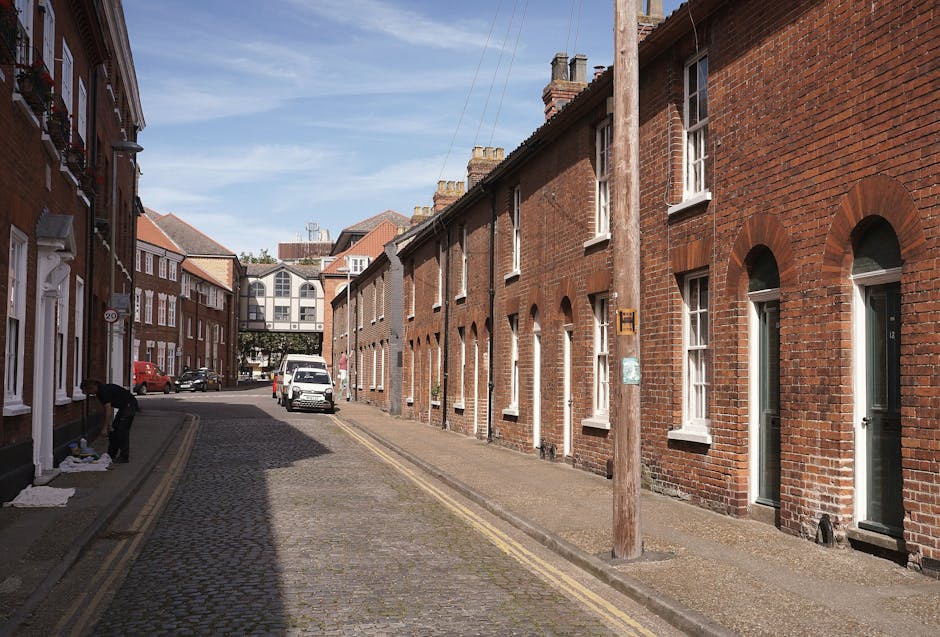
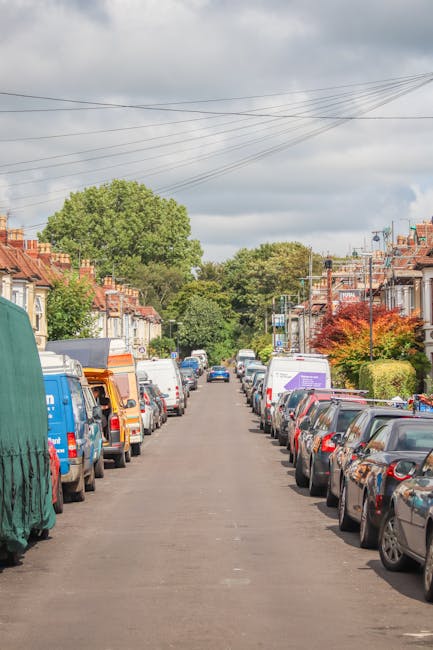
If you are planning a business move and the building sits on a tight road, a cul-de-sac, or a lane that barely gives a van room to breathe, you already know the issue: narrow street access can turn a straightforward removal into a careful piece of logistics. For Narrow street access problems for Ickenham commercial removals, the challenge is rarely just the width of the vehicle. It is parking, turning, neighbour access, loading times, safe handling, and keeping the move moving without upsetting the street. In Ickenham, that can matter even more because local roads often mix residential parking, limited frontage, and awkward angles all at once.
This guide breaks down what the problem actually means, why it matters for commercial moves, and how to plan around it without drama. You will also find a checklist, a practical comparison table, and realistic guidance for office, shop, and small business relocations. If you want a broader overview of professional move planning, our commercial moves service page is a helpful starting point, and for businesses that need coordinated office handling, office removals and office relocation services can be worth a look too.
Table of Contents
- Why Narrow Access Matters
- How Narrow Street Access Is Managed
- Key Benefits and Practical Advantages
- Who This Is For and When It Makes Sense
- Step-by-Step Guidance
- Expert Tips for Better Results
- Common Mistakes to Avoid
- Tools, Resources and Recommendations
- Law, Compliance, Standards, or Best Practice
- Options, Methods, or Comparison Table
- Case Study or Real-World Example
- Practical Checklist
- Conclusion
- Frequently Asked Questions
Why Narrow Street Access Problems for Ickenham Commercial Removals Matters
At first glance, narrow access sounds like a minor inconvenience. In reality, it can affect almost every part of a business relocation. A van that cannot park close enough to the entrance means longer carries. Longer carries mean more time, more labour, and more risk. If the street is tight enough that the vehicle has to stop far away, even a simple office move becomes a small endurance test. Truth be told, nobody enjoys carrying filing cabinets down a road while trying not to block a neighbour's driveway.
For commercial removals, the stakes are different from home moves. You may be moving computers, archive boxes, display stock, office furniture, printers, or sensitive equipment. These items often need quicker handling and more control than a standard household move. A narrow street can add pressure to a schedule that is already packed around trading hours, landlord deadlines, or handover requirements.
It also matters because access issues can create knock-on problems. A narrow road may affect where the vehicle can wait, whether two-way traffic can pass, or if you need a smaller removal van rather than a larger truck. Sometimes the difference between a smooth move and a stressful one is simply choosing the right vehicle from the start. That sounds obvious, but it is one of those things that gets missed when people focus only on how many desks need moving.
There is also the human side. Staff may need to get in and out during the move. Customers may still visit. Neighbours may be frustrated by cones, footsteps on the pavement, or temporary loading. A well-planned move shows respect for all of that. And in a place like Ickenham, where roads can feel busy even when they are not packed with traffic, those small courtesies really do help.
How Narrow Street Access Problems for Ickenham Commercial Removals Works
Managing a narrow street move is mostly about matching the move plan to the street rather than forcing the street to suit the plan. The process normally starts with an access review. That means checking road width, parking layout, turning space, nearby restrictions, pedestrian flow, and whether the loading point is actually usable at the time of the move. Sometimes a building looks accessible on paper, then a delivery lorry, a hedge, and a line of parked cars turn the entrance into a puzzle.
Once the access is understood, the move can be adjusted. Common adjustments include using a smaller vehicle, splitting the move into multiple loads, moving during quieter hours, or setting up a shuttle approach with a nearby parking spot. In some cases, teams will use a man and van style solution because it is more flexible in tight streets. Other moves may need a larger moving truck if the road and loading area can support it, but that choice has to be made carefully. Bigger is not always better. Sometimes it is simply a nuisance.
In practice, a narrow street move often follows this pattern:
- Confirm the street layout and the access constraints.
- Choose the most suitable vehicle size and loading method.
- Identify a safe place for temporary stopping or parking.
- Plan the order of items so the most urgent or fragile pieces move first.
- Protect the building, flooring, and items during the longer carry.
- Keep communication open so staff know what happens next.
That is the skeleton of it. The real work is in the details. For example, if the building is an office with multiple departments, it may make sense to treat it as a staged move rather than one big event. If the business has stock or equipment that cannot sit around exposed to weather or traffic, storage can sometimes bridge the gap. Little decisions like that can save a lot of grief later.
Key Benefits and Practical Advantages
When narrow access is planned properly, the advantages are pretty clear. You get fewer delays, less physical strain on the crew, better item protection, and a calmer move overall. That calm matters more than people expect. A move that feels organised tends to stay organised, even when one or two things wobble.
Here are the main practical benefits:
- Reduced risk of damage because items are handled with a route and carry distance that have been thought through.
- More reliable timing since the team is not improvising around blocked access or unsafe stopping points.
- Less disruption to business which is especially useful if staff or clients still need partial access to the premises.
- Safer loading and unloading because the approach can be matched to the street conditions.
- Better use of labour since the move team is not wasting time walking long distances with each load.
There is also a commercial upside. If you can plan the access well, you often avoid unnecessary expense caused by extended labour time or repeat visits. Nobody loves a schedule that drifts, and your team certainly will not thank you for one. If you are comparing options, it is sensible to review pricing and quotes alongside the access details, because the most accurate quote is usually the one based on the real site conditions, not a guess from a quick phone call.
A well-managed narrow access move can also be a good moment to tidy the business operation. Packing, labelling, and disposal can be organised together rather than done in panic at the end. Services such as packing and boxes and packing and unpacking services are often worth considering when your access is tight and your timeline is unforgiving.
Who This Is For and When It Makes Sense
This topic is for any business moving in or out of a property where the street is too narrow for easy vehicle access. That includes small offices, retail units, service businesses, clinics, studios, storage rooms, and mixed-use premises. It is also relevant if the building entrance is technically accessible, but the street outside is awkward enough that a standard removal vehicle would struggle to stop safely.
In Ickenham, this often applies to:
- office relocations on residential-style roads
- shops or professional units with limited frontage
- small businesses moving stock in and out of shared access roads
- premises near bends, parked cars, or tight junctions
- moves that need to happen before opening hours or after closing
It makes sense to plan around narrow access whenever the move includes time-sensitive equipment, heavy furniture, or a building with no proper loading bay. It also makes sense if you are trying to avoid unnecessary disruption for staff and neighbours. To be fair, if you already know the road feels tight when you drive down it in a car, a removal van is not going to magically make that easier.
For smaller or more flexible jobs, a man with van arrangement may be more practical than a larger vehicle-led move. On the other hand, if the business has a full floor of furniture and archived paperwork, it may be better to choose a more structured service like removal services or a dedicated commercial moves approach.
Step-by-Step Guidance
If you want the move to go smoothly, work through the job in stages. The point is not to overcomplicate things; it is to remove surprises. A narrow street is already a constraint. Do not let it become the whole story.
1. Survey the access properly
Start with the street outside the property. Check the width, parking lines, the position of lamp posts, low branches, and whether a van can safely stop without blocking everything else. If possible, visit at the same time of day the move will happen. Morning and late afternoon can feel very different on the same street.
2. Measure the loading path
It is not enough to know that the vehicle can reach the street. You need to know how far items will be carried from the van to the door. Ten metres can be fine. Fifty metres can be a different story, especially with desks, monitors, or boxed files.
3. Match the vehicle to the site
This is where a realistic choice matters. A larger vehicle may reduce the number of trips, but a smaller vehicle may be the only sensible fit for the road. If the access is especially limited, a removal van or a flexible man and van setup may be better than forcing a truck into a street that does not want one.
4. Decide what moves first
For commercial removals, sequence matters. Start with the least essential items, or with the items that are easiest to move while the route is clear. Keep urgent operational items separate so you are not hunting for a vital laptop charger halfway through the morning. Annoying, that.
5. Protect the property and the goods
Use covers, blankets, floor protection, and proper packing. Tight access often means more chance of knocking door frames or scraping paint on the way out. Take the extra minute. It pays you back immediately.
6. Keep the business running where possible
If part of the office or shop must stay open, set up a clear boundary between active move areas and live work areas. Staff need to know where they can walk, where they should not, and who is coordinating the day. A quiet, visible lead person is worth their weight in tea.
7. Review the finish
Once the last load has gone, walk the route again. Check for damage, left-behind items, and anything that should be reported or photographed. If the move involved temporary storage or staged delivery, make sure the next step is already booked and understood.
Expert Tips for Better Results
The difference between an awkward move and a well-run one is often tiny. A few sensible choices go a long way.
- Use the street at its quietest point if your timetable allows it. Early morning can be calmer than midday, though local parking patterns still matter.
- Label everything clearly so the team can prioritise what comes out first and what should stay sealed until it reaches the destination.
- Keep the number of touchpoints low. Every extra hand-off introduces delay.
- Leave a little slack in the schedule. Narrow access moves nearly always take longer than the idealised version in your head.
- Tell building neighbours what is happening if the move is likely to affect shared access. A short warning can prevent a lot of tension.
If you are moving sensitive or expensive equipment, consider whether you need extra protection through insurance and safety arrangements. That does not remove the need for care, of course, but it does add a useful layer of reassurance. And frankly, reassurance matters when there are computers, screens, and office hardware involved.
One small but useful trick: keep a "last off, first on" box for essentials. Chargers, keys, access cards, network cables, kettle bits if you are being honest about priorities. It sounds almost too simple, but on a moving day, simple is brilliant.
Common Mistakes to Avoid
Narrow access can expose planning errors very quickly. These are the ones that tend to cause trouble.
- Assuming the vehicle will fit because a car fits. It will not always work that way.
- Ignoring parking pressure from residents, deliveries, or other businesses.
- Booking the wrong vehicle size, which can create delays or force re-loading.
- Underestimating the carry distance, especially when the van cannot stop close to the entrance.
- Leaving fragile items loosely packed when repeated lifts are likely.
- Forgetting to brief staff about access routes, timings, and who is leading the day.
- Not checking the finish point for a useful unloading area at the new site.
One more mistake, and this one is common: treating the access problem as if it can be solved on the day. Sometimes it can. Often it cannot. If the road is narrow, the road is narrow. Best to work with reality rather than arguing with it. That way lies stress.
Tools, Resources and Recommendations
You do not need fancy kit to manage narrow access well, but a few practical tools help a great deal.
- Measuring tape for checking doorways, aisles, and the loading distance.
- Floor protection materials to reduce wear on entrances and corridors.
- Furniture blankets and straps for safer handling in tight turns.
- Clear labels and inventory sheets to keep items moving in the right order.
- Portable trolleys or dollies for heavier office items where the surface allows it.
From a service perspective, the most useful resources are usually the ones that help you plan the move rather than patch it up after a problem appears. If the move is part of a larger change, you may also want to think about storage for overflow items, or compare removal companies if you need a fuller managed solution. For smaller, fast-turnaround jobs, same day removals can be useful when access and timing leave little room for delay.
A practical recommendation: ask for the quote to reflect the access conditions, not just the item list. A move with narrow street access is not the same as a move with a loading bay. It just is not.
Law, Compliance, Standards, or Best Practice
Commercial removals in the UK should always be carried out with attention to health and safety, safe loading, and reasonable care for people and property. The exact obligations depend on the premises, the building layout, and the nature of the items being moved, but the general principle is straightforward: do the job safely, do not create avoidable risk, and do not obstruct others more than necessary.
For narrow street access, best practice usually includes:
- planning safe stopping and loading points in advance
- keeping pedestrian routes clear where possible
- avoiding unsafe manual handling on uneven or congested ground
- using suitable equipment for heavier items
- making sure the move is insured and properly supervised
If your move involves staff, visitors, or an occupied workplace, the planning should be even more careful. Business owners and managers have a duty to think beyond the van door. That includes the impact on people walking nearby, the building entrance, and the way loads are lifted and carried.
It is also sensible to review the provider's own policies on health and safety, payments, terms, and privacy before you confirm anything. The relevant pages include health and safety policy, terms and conditions, payment and security, and privacy policy. None of that is exciting, admittedly. But it is the boring bit that helps the moving day stay boring in the best possible way.
Options, Methods, or Comparison Table
Different access strategies suit different business moves. Here is a simple comparison to help you think it through.
| Method | Best for | Advantages | Limitations |
|---|---|---|---|
| Small vehicle / removal van | Very tight streets, short carries, modest loads | More flexible parking and easier manoeuvring | More trips may be needed |
| Man and van setup | Light-to-medium commercial moves with tricky access | Simple, adaptable, usually quicker to coordinate | May not suit large office furniture or big volume |
| Full commercial move with larger vehicle | Larger offices or heavier loads where access still works | Fewer trips, better for bulk movement | Can be difficult on narrow streets if access is poor |
| Staged move with storage | Moves with timing gaps or phased handovers | Reduces pressure on the day and improves control | Needs extra planning and possibly extra handling |
For many Ickenham businesses, the best option is not the biggest one. It is the one that fits the street, the schedule, and the load. That sounds simple, but it is the whole game. If the access is limited and the move is business-critical, a smaller vehicle or a flexible move model usually wins.
Case Study or Real-World Example
Imagine a small professional office on a narrow Ickenham road with parking on both sides and only a short stretch of frontage. The business needs to move desks, monitors, boxed files, a reception unit, and several small cabinets. On paper, it seems manageable. In person, the street is tighter than expected, and a standard large van would block too much of the lane to be a sensible choice.
The move is adjusted. Instead of trying to force one large load through a difficult access point, the team uses a smaller vehicle and a staged loading plan. The most essential items are moved first, the archive boxes go in labelled batches, and the reception furniture is protected carefully because it has a few awkward edges. Staff keep one working corner open until late morning, then finish the transfer once the route is clear. A nearby place is used briefly for parking, and the carry distance is longer than ideal, but it is controlled and safe.
The result is not glamorous. No one claps at the end, sadly. But the move stays on schedule, the office avoids damage, and the team can start work the next morning without a pile of mystery boxes sitting in the wrong room. That is usually the real win with narrow access jobs: not perfection, just a move that quietly does what it should.
Practical Checklist
Use this before moving day. It keeps the plan grounded.
- Confirm the exact building address and entrance point.
- Check street width, parking pressure, and turning space.
- Measure the loading path from vehicle to door.
- Decide whether a small van, larger van, or truck is appropriate.
- Identify any fragile, high-value, or urgent items.
- Label boxes and equipment clearly.
- Set a schedule that avoids busy road times if possible.
- Warn staff, neighbours, or building management where needed.
- Arrange packing materials, floor protection, and handling equipment.
- Review insurance, payment, and terms before the move is locked in.
- Consider storage if the handover is phased or space is tight.
- Keep contact details for the moving team handy on the day.
If you want help narrowing down the right service type, it can be useful to compare removals, removal services, and more focused support such as office removals. Different jobs need different shapes of help, and that is perfectly normal.
Key takeaway: Narrow street access is not just a parking issue. It affects vehicle choice, loading time, safety, costs, and the whole rhythm of the move. Plan the access first, then build the removal around it.
Conclusion
Narrow street access problems for Ickenham commercial removals are manageable when they are treated as a planning issue rather than a last-minute surprise. The best moves feel calm because the difficult parts were handled early: the road was checked, the vehicle was chosen sensibly, the load was organised, and the team knew what to expect. That is the real difference.
If your business move is heading into a tight street, it is worth slowing down before the actual day speeds everything up. A little clarity now can save a lot of rushing later, and the move will feel less like a scramble and more like a proper handover. Which, let's face it, is exactly what you want.
Get a free quote today and see how much you can save.
Frequently Asked Questions
What makes narrow street access a problem for commercial removals in Ickenham?
Narrow streets make it harder to park, unload, and turn safely. For commercial removals, that can mean longer carrying distances, more time on site, and a higher chance of disruption to staff, neighbours, or traffic.
Should I choose a smaller van if the street is tight?
Often, yes. A smaller vehicle can be easier to position safely and may reduce the risk of blocking the road. That said, the right choice depends on the load size and how far the items need to be carried.
Can a commercial move still work if there is no proper loading bay?
Yes, but it needs more planning. The team may need a staged loading method, a nearby legal parking spot, or a smaller vehicle to make the move manageable without creating unnecessary congestion.
How do I know whether I need office removals or a general removal service?
If you are moving desks, IT equipment, files, and workplace furniture, a dedicated office move is usually the better fit. For mixed or smaller commercial jobs, broader removal services may be enough.
Will narrow access make the move more expensive?
It can, because it may require more labour time, extra trips, or a different vehicle. The exact cost depends on the access, the volume of items, and how much preparation has been done before moving day.
Do I need to tell the movers about access problems in advance?
Definitely. In fact, that is one of the most useful things you can do. Clear information about parking, road width, stairs, and loading distance helps the crew plan properly and avoid delays.
What if the road outside is usually full of parked cars?
Then the move should be timed carefully. Early morning, off-peak hours, or a pre-arranged stopping point may be necessary. If parking is unpredictable, the access plan should be built around that reality.
Can storage help with a narrow access move?
Yes. Storage can be useful if the move is being split into phases or if the new premises are not ready for everything at once. It reduces pressure on the access point and gives you more flexibility.
What items are hardest to move down a narrow street?
Large desks, cabinets, printers, archive boxes, and fragile IT equipment tend to be the most awkward. They take more care, more space, and often more than one person to move safely.
How early should I plan a move with difficult access?
The earlier the better. Even a short access review can change the vehicle choice, packing approach, and timing. With narrow streets, leaving it late usually creates avoidable stress.
Is a man and van service suitable for commercial removals with tight access?
It can be, especially for lighter or smaller business moves. A flexible vehicle setup is often helpful in narrow streets where manoeuvrability matters more than load size.
What should I check before I confirm a quote?
Make sure the provider knows about access limits, parking issues, item volume, and any time restrictions. A quote based on real conditions is much more reliable than one based on assumptions.