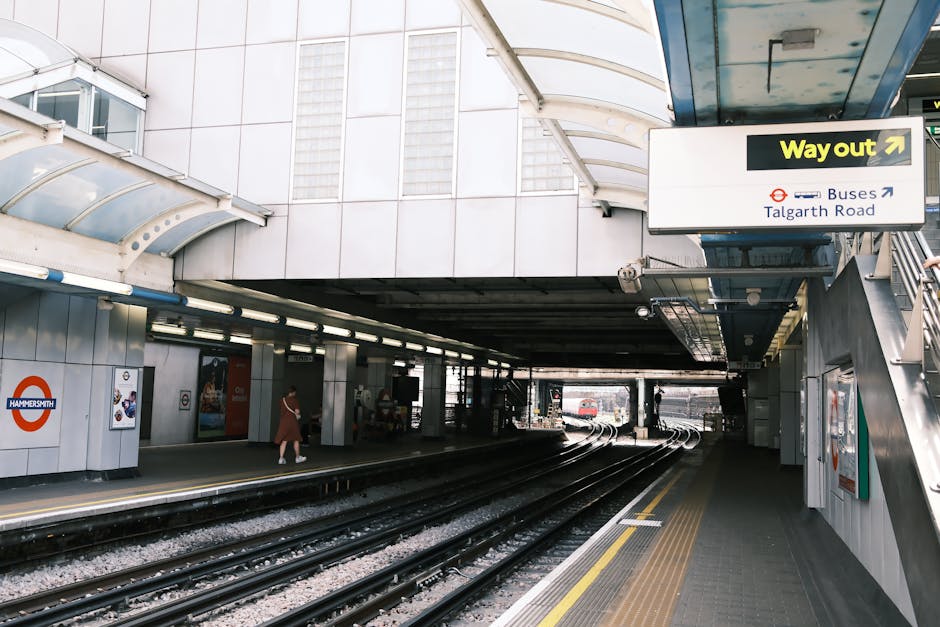
Ickenham station to Swakeleys Road moving guide for removals
Moving from Ickenham station to Swakeleys Road sounds simple on paper: a short local route, a few boxes, maybe a van, and done by lunchtime. In practice, that last stretch is often where the headaches appear. Narrow access, parking questions, awkward furniture, and last-minute packing can quickly turn a local move into a stressful one.
This guide breaks down the Ickenham station to Swakeleys Road moving guide for removals in plain English. You will find a practical route overview, planning advice, packing priorities, moving-day tactics, and the kind of local removal know-how that saves time and prevents avoidable damage. If you are choosing between a full removal service, a man with a van in Ickenham, or a larger team for a more involved move, this article will help you decide with confidence.
For readers who want broader support, it also helps to understand the full range of removal services available and how specialist options such as house removals in Ickenham or flat removals in Ickenham differ in scope and preparation.
Practical takeaway: A short move still needs proper planning. The closer the route, the easier it is to underestimate loading time, parking, and fragile items.
Table of Contents
- Why Ickenham station to Swakeleys Road moving guide for removals Matters
- How Ickenham station to Swakeleys Road moving guide for removals Works
- Key Benefits and Practical Advantages
- Who This Is For and When It Makes Sense
- Step-by-Step Guidance
- Expert Tips for Better Results
- Common Mistakes to Avoid
- Tools, Resources and Recommendations
- Law, Compliance, Standards, or Best Practice
- Options, Methods, or Comparison Table
- Case Study or Real-World Example
- Practical Checklist
- Conclusion
- Frequently Asked Questions
Why Ickenham station to Swakeleys Road moving guide for removals Matters
This move matters because it sits in the category of small geographic distance, high operational detail. Local moves around Ickenham can look straightforward, but the real work is in the logistics: finding the right van size, timing access, protecting stairwells, and managing items that do not like being rushed.
When a route is only a short hop, people often assume they can handle it with a few car journeys. That may work for a handful of bags, but it tends to fall apart once you add furniture, white goods, or anything heavy and awkward. A sofa that fits through the front door still has to be lifted, angled, padded, and carried without damaging walls or the item itself.
This is also where local knowledge helps. If you know the area around Ickenham station and Swakeleys Road, you can think ahead about loading space, pedestrian flow, and whether a larger vehicle will fit comfortably at both ends. A competent mover should factor this in early, not as an afterthought. That is one reason people often compare service options such as man and van support, a dedicated removal van, or a broader removal service in Ickenham.
It is also worth thinking about the type of property involved. A ground-floor flat, a first-floor apartment, and a family home all create very different moving conditions. Even a short local move can become fiddly if there are tight hallways, shared entrances, or delicate flooring.
How Ickenham station to Swakeleys Road moving guide for removals Works
At its simplest, the move works in five stages: assess, prepare, load, transport, and unload. The details matter more than the labels.
1. Assess the property and access points
Before anything is lifted, check the entrance, stairs, lift availability, parking, and room-to-room carrying distance. This tells you whether you need extra hands, protective covers, or a smaller vehicle. If you are moving out of a compact apartment near the station, a service like flat removals in Ickenham may be more suitable than a general vehicle-only arrangement.
2. Prepare the belongings for transport
Pack by category rather than by random urgency. Heavy books should not sit in oversized boxes. Mirrors, framed prints, and electrical items need separate treatment. For guidance on box choice and packing flow, the article on packing solutions for a seamless transition to a new home is a useful companion read.
3. Load in the right order
Furniture is usually loaded first, then sturdy boxes, then fragile or last-out items. This is not just efficiency; it reduces the chance of crushing, sliding, or friction damage during the drive. Good loading is one of those things people only notice when it goes badly.
4. Transport with sensible timing
Even though the route is local, timing still matters. School runs, commuter traffic, parking restrictions, and busy delivery periods can all affect your schedule. Short routes are excellent for flexibility, but only if the mover leaves enough margin.
5. Unload and place items with a plan
Do not unload everything into the hallway and then rethink it later. Label boxes by room and place larger items where they belong immediately. That reduces trip count, saves energy, and avoids the classic "where did we put the kettle?" problem on the first night.
Key Benefits and Practical Advantages
When a move is planned properly, the advantages are obvious almost immediately.
- Less stress: You know what is being moved, when it is being moved, and how.
- Lower damage risk: Items are packed, padded, and handled with the right equipment.
- Better time control: A sensible schedule avoids the rush that causes mistakes.
- More efficient use of labour: You are not paying people to stand around while boxes are still being taped.
- Cleaner handover: A tidy, organised departure makes the property easier to leave in good condition.
For many households, a short local move is also a chance to declutter properly. There is no point paying to move storage clutter from one address to another. If that sounds familiar, the guide to achieving a clutter-free move is worth reading before moving day arrives.
The other practical upside is flexibility. If you only need a partial load, or if you are shifting a few bulky items, a smaller service may be enough. That is where local options such as furniture removals and same-day removals in Ickenham can be especially useful.
Who This Is For and When It Makes Sense
This guide is for anyone moving between the Ickenham station area and Swakeleys Road who wants the job done cleanly, safely, and without unnecessary back-and-forth.
It is especially relevant if you are:
- moving from a flat, maisonette, or terrace with limited parking
- moving a small household with some large furniture pieces
- combining a local move with decluttering or storage
- moving on a tight timetable and need practical coordination
- shifting student accommodation, a first home, or a downsized property
- dealing with fragile items, a piano, a sofa, or a bed frame
Students and first-time movers often underestimate how much time packing takes. Families, meanwhile, often underestimate how many "small" items become a very big load when boxed properly. And if you have one awkward item like a piano, the whole plan changes. In that situation, specialist support such as piano removals or the Ickenham equivalent piano moving services in Ickenham is usually the safer route.
If your move is office-related or tied to a home-based business, it can also make sense to plan around work hours and equipment handling. That is where office removals or the local office removals in Ickenham page can help you benchmark what a more structured move looks like.
Step-by-Step Guidance
Use this as a simple working sequence. It is designed for a local house move, flat move, or part-load relocation.
- Walk through the property
List everything that needs to move. Separate essentials, fragile items, and furniture that needs dismantling. - Measure the awkward pieces
Check door widths, stair turns, lifts, and van access. A sofa that seems fine in the room may become a problem at the landing. - Declutter before packing
Sort keep, donate, recycle, and dispose. The less you move, the faster and cheaper the job usually becomes. - Gather the right packing materials
Use strong boxes, tape, wraps, blankets, mattress covers, and labels. For box guidance, see packing and boxes support or the Ickenham-specific packing and boxes service. - Pack room by room
Keep like with like. Kitchen items should not end up mixed with books and cables. - Prepare furniture correctly
Remove drawers, secure loose parts, protect corners, and dismantle only if needed. For sofa care, the article on long-term sofa preservation gives practical handling ideas that translate well to moving day. - Set aside an essentials box
Think chargers, medication, toilet paper, snacks, tea, kettle, keys, and a change of clothes. The first night becomes much calmer. - Load the van strategically
Use straps and padding. Heavy items go low and stable. Fragile items go secure, not loose in a gap. - Transport and unload in room order
Put each item where it belongs before opening the next box pile. It prevents chaos from spreading. - Check the old and new property
Look for forgotten items, damage, meter readings, and final cleaning tasks. A little attention here saves awkward calls later.
If this sounds like a lot for a short route, that is because it often is. A local move compresses the timeline, but not the tasks. Truth be told, that is why a calm, methodical approach works better than trying to "just wing it".
Expert Tips for Better Results
Here are the details that tend to make the biggest difference.
- Use colour-coded labels for rooms. It speeds unloading and reduces mistakes when several people are helping.
- Keep a photo record of cable setups. This saves time with TVs, routers, desks, and speakers.
- Protect high-contact surfaces. Doors, banisters, and corners take more abuse than people expect on moving day.
- Do not overfill boxes. A box that is too heavy is more likely to burst or cause a lifting injury.
- Reserve the best parking option early. Local access can be the difference between a smooth move and ten frustrating extra minutes per load.
- Move children and pets out of the way. It is not just safer; it keeps the pace steadier.
- Separate valuables and documents. Keep them with you rather than in the van.
One small but useful habit: create a "do not pack" corner. Place keys, paperwork, chargers, medication, and the kettle there. It sounds trivial until you cannot find the kettle at 9 p.m.
If you are moving particularly heavy items, read how to lift heavy items alone more safely and the similar Ickenham guide on solo lifting and safe handling. Better yet, use proper moving help rather than testing your back for the sake of pride.
Common Mistakes to Avoid
Most local moving problems are predictable. The good news is that they are also avoidable.
- Booking the wrong vehicle size. Too small means multiple trips; too large can create access issues.
- Leaving packing until the last evening. That is where damage, missing items, and stress cluster.
- Ignoring stairwells and corners. Furniture often fails at the turn, not at the front door.
- Using weak boxes for heavy items. Books, crockery, and tools belong in robust containers.
- Forgetting insurance and responsibility questions. Always check what is covered and what is not.
- Not confirming parking and access. This is one of the most common causes of delay in local moves.
- Mixing fragile items with general load. A lamp should not travel like a laundry basket.
Another frequent mistake is assuming a short move does not need a proper timetable. Even a one-road move can stall if the keys are delayed, the lift is busy, or the parking arrangement changes at the last minute. If you want the move to feel easy, build in slack. That is what professionals do.
Tools, Resources and Recommendations
You do not need a warehouse full of kit, but a few practical tools will make the move much easier.
| Item | Why it helps | Best used for |
|---|---|---|
| Heavy-duty boxes | Hold weight better and reduce splitting | Books, kitchenware, general household packing |
| Bubble wrap and paper | Protects breakables and surface finishes | Glass, ceramics, framed items |
| Furniture blankets | Prevents scuffs and corner damage | Sofas, tables, wardrobes, bedside units |
| Mattress covers | Keeps fabric clean and dry | Bed moves and storage periods |
| Ratchet straps | Secures items during transport | Large furniture and stable van loading |
| Marker pens and labels | Speeds unloading and sorting | Room-by-room organisation |
For anything bulky or specialised, consider reading the relevant service pages first. A removal van service, for example, can be a better fit than a simple vehicle hire if you want help with loading and handling. Likewise, if you are storing things between addresses, storage options in Homerton and storage in Ickenham can help bridge the gap.
For planning, the following reads are genuinely useful:
- a broader guide to easier house moves
- packing secrets for a smooth house move
- pre-move cleaning strategies
- how to clean efficiently before relocating
Law, Compliance, Standards, or Best Practice
For most household moves, there is no complicated legal process involved, but a few standards and best practices are worth following.
Road safety and loading: Items must be loaded securely so they do not shift during transit. That is a basic safety expectation, not an optional extra.
Insurance: Always clarify what cover applies to goods in transit, loading, unloading, and storage. If a mover offers insurance, read the scope carefully rather than assuming all items are covered equally.
Manual handling: Safe lifting practice matters. Heavy items should be lifted with good posture, the right team size, and appropriate equipment. If a task feels borderline, it usually is.
Property access and parking: Check local parking arrangements, loading restrictions, and permissions if you are using a shared entrance, permit-controlled street, or communal area. If in doubt, confirm with the property manager or local authority guidance before the day.
Data and valuables: Personal paperwork, electronics, and sensitive items should be kept secure and moved with you where sensible. For booking confidence and service clarity, it also helps to review pages such as insurance and safety, payment and security, and the service terms that govern the job. On the Ickenham side, the equivalent pages include insurance and safety in Ickenham and terms and conditions.
Best practice is usually simple: confirm details in writing, pack responsibly, and choose a mover who handles the job professionally from start to finish.
Options, Methods, or Comparison Table
Not every local move needs the same setup. The right approach depends on volume, fragility, access, and timing.
| Method | Best for | Pros | Watch-outs |
|---|---|---|---|
| DIY car trips | Very small moves, light items only | Low upfront cost, flexible timing | Slow, tiring, poor for furniture and fragile goods |
| Man and van | Small to medium local moves | Good balance of cost and help, often quick to organise | May need careful planning for access and loading |
| Full removal team | Larger households or complex moves | More hands, better for heavy items and speed | Usually higher cost than a smaller service |
| Hybrid move with storage | Staggered handovers or downsizing | Flexible, useful when dates do not align | Requires extra coordination |
For many people moving between Ickenham station and Swakeleys Road, the man-and-van model is the sweet spot. It is often efficient enough for a local distance, but still flexible enough to handle furniture, boxes, and stairs. If the move is larger or includes specialist items, a more complete service is usually better value in the long run.
If you are comparing providers, pages like removal companies in Homerton and removal companies in Ickenham can help you think through what service level fits your situation.
Case Study or Real-World Example
Here is a realistic local scenario.
A couple moves from a small flat near Ickenham station to a property off Swakeleys Road. They have a bed frame, mattress, two wardrobes, a three-seat sofa, a dining table, around 40 boxes, and a handful of fragile kitchen items. At first glance, they think two or three car loads will do it.
Once they measure the wardrobe and check the staircase, that plan stops making sense. The wardrobes need partial dismantling. The sofa needs proper wrapping. The mattress needs clean cover protection. Boxes need splitting so the heavy ones are manageable. They book a man and van with loading support instead of trying to stretch the move over a whole day of back-and-forth trips.
The day runs more smoothly because they have already done the important things:
- confirmed access and parking at both ends
- labelled boxes by room
- kept essentials separate
- protected the furniture before the van arrived
- loaded the largest pieces first
The result is not dramatic. That is the point. The move feels ordinary, calm, and uneventful, which is exactly what you want. A good local move should be more boring than memorable.
This is also where reading the right preparatory advice pays off. Furniture care guidance such as moving your mattress and bed properly or the Ickenham article on smart strategies for beds and mattresses can prevent avoidable damage before the van even arrives.
Practical Checklist
Use this checklist in the last 48 hours before moving day.
- Confirm the booking time and address details
- Check parking, access, lift use, and entry codes
- Pack an essentials box for the first night
- Label boxes by room and fragility
- Dismantle furniture that will not fit safely assembled
- Wrap corners, glass, and delicate surfaces
- Empty and clean appliances if they are moving
- Set aside documents, keys, chargers, and medications
- Protect floors and door frames where needed
- Keep children and pets away from the loading area
- Take meter readings and photos if helpful
- Do a final walk-through before leaving
If you are storing appliances or bulky furniture between moves, it is worth reading the practical guidance on storing a freezer when it is not running and the Ickenham counterpart about maintaining a freezer during non-use. These are exactly the sorts of details that prevent unpleasant surprises later.
Conclusion
A local move between Ickenham station and Swakeleys Road may be short, but it still rewards careful planning. If you treat it like a proper removal job rather than a quick lift-and-go task, you save time, protect your belongings, and avoid the sort of last-minute panic that turns a simple day into a long one.
The best approach is usually straightforward: assess access, pack properly, choose the right vehicle and support level, and leave enough time for loading and unloading. That is the difference between a move that feels controlled and one that feels improvised.
If you are comparing options, looking at a trusted local mover, reviewing service pages, and checking practical advice before you book will help you make a better decision. For a more direct next step, explore the relevant service information, then decide whether you need a small local van job, a broader house move, or specialist help for awkward items and storage.
Get a free quote today and see how much you can save.
If you want a clearer next step, speak with the team through the contact page or review the background on the company via the about us page. For Ickenham-specific service planning, the local contact page is equally useful.
Frequently Asked Questions
How long does a move from Ickenham station to Swakeleys Road usually take?
The driving distance is short, so transport time is usually not the main issue. Packing, loading, stair access, parking, and furniture handling often take longer than the journey itself.
Do I need a full removal team for a local Ickenham move?
Not always. If you have a small load and easy access, a man and van service may be enough. If you have a larger household, multiple heavy items, or tight access, a bigger team is usually more practical.
Is a man and van service cheaper than DIY trips?
It can be, once you account for fuel, time, vehicle use, and the risk of damage. For short but furniture-heavy local moves, a well-planned van job often gives better overall value than multiple car journeys.
What items need the most protection during a short move?
Glass, mirrors, TVs, artwork, mattresses, sofas, and polished furniture tend to need the most care. Their fragility is not always obvious, especially during loading and turning corners.
Should I dismantle furniture before moving?
Only when it helps the item move safely. Beds, wardrobes, and some desks often travel better in parts. If an item is awkward or oversized, partial dismantling can save damage and time.
How do I prepare for parking near the property?
Check whether there are permits, loading restrictions, or shared access issues. If possible, reserve the most direct parking option for moving day and confirm any building or landlord rules in advance.
What should go in an essentials box?
Keep the first-night basics together: phone chargers, medication, toiletries, kettle items, snacks, a change of clothes, keys, paperwork, and cleaning wipes. It is a small box that prevents a lot of irritation.
Do I need insurance for a local removal?
It is wise to understand what cover is included before the job starts. Ask what applies to loading, transport, and unloading, and check whether any exclusions affect your more valuable items.
What if I only need to move a few bulky items?
Then furniture-only support or a partial removal service may suit you better than a full home move. This is common for sofas, beds, appliances, or a handful of large boxes.
Can removals help with storage between addresses?
Yes, many moves include a temporary storage step when dates do not line up. That can be a sensible solution if your new home is not ready or if you are downsizing gradually.
How far in advance should I book?
For a local move, a few days can be enough in some cases, but earlier is always safer if you need a specific time slot, a larger vehicle, or help with packing and dismantling.
Where can I learn more about the company and its policies?
You can review the company background on the about us page and read important support pages such as insurance and safety and pricing and quotes. Those pages help you compare service expectations before you book.